
Visual essay · Issue 002 · pp. 060–069 · 3 min read
Notes from a place
- Photography & Text / David Chao
This story in print
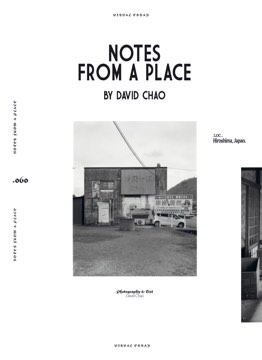
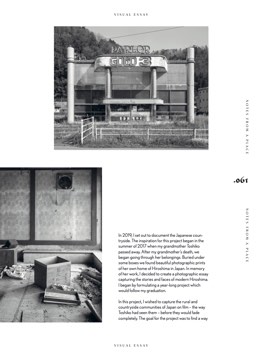
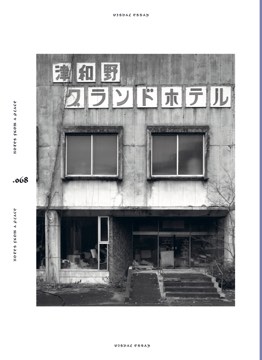
In 2019, I set out to document the Japanese countryside. The inspiration for this project began in the summer of 2017 when my grandmother Toshiko passed away. After my grandmother’s death, we began going through her belongings. Buried under some boxes we found beautiful photographic prints of her own home of Hiroshima in Japan. In memory of her work, I decided to create a photographic essay capturing the stories and faces of modern Hiroshima. I began by formulating a year-long project which would follow my graduation.
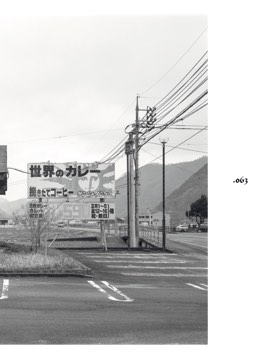
In this project, I wished to capture the rural and countryside communities of Japan on film – the way Toshiko had seen them – before they would fade completely. The goal for the project was to find a way to connect to my roots while creating meaningful work that would explore cultural nuances and the identity of place. I called it the “Hiroshima Legacy Project” and soon set out with my own large format 4x5 view camera.
Hiroshima in itself is a unique prefecture of Japan, shaped by its relationship with modern history and the land. The main city is held in historical significance due to the devastation caused by the atomic bombings during WWII. While the scars of war often haunt an area long after, Hiroshima now stands as a revitalized and fully rebuilt beacon for world peace. The wide variation of Hiroshima prefecture’s topography is also significant to its identity. In Hiroshima one can find an island-like feel in the South and varyingly mountainous terrain in the North.
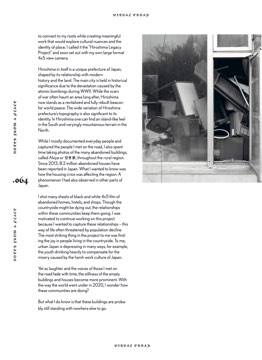
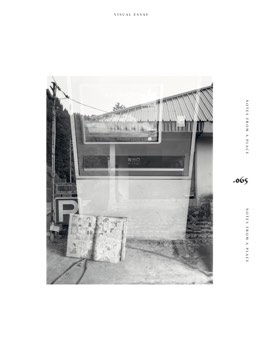
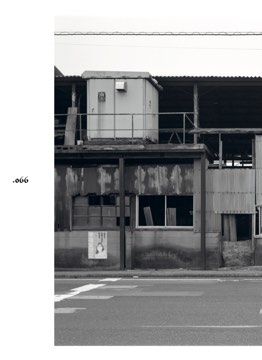
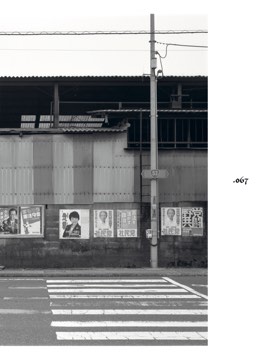
While I mostly documented everyday people and captured the people I met on the road, I also spent time taking photos of the many abandoned buildings, called Akiya or 空き家, throughout the rural region. Since 2013, 8.2 million abandoned houses have been reported in Japan. What I wanted to know was how the housing crisis was affecting the region. A phenomenon I had also observed in other parts of Japan.
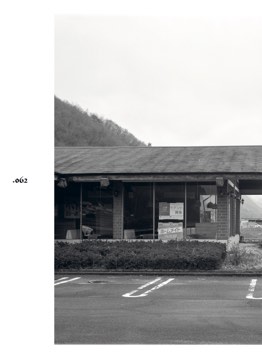
I shot many sheets of black and white 4x5 film of abandoned homes, hotels, and shops. Though the countryside might be dying out, the relationships within these communities keep them going. I was motivated to continue working on this project because I wanted to capture these relationships – this way of life often threatened by population decline. The most striking thing in the project to me was finding the joy in people living in the countryside. To me, urban Japan is depressing in many ways, for example, the youth drinking heavily to compensate for the misery caused by the harsh work culture of Japan.
Yet as laughter and the voices of those I met on the road fade with time, the stillness of the empty buildings and houses become more prominent. With the way the world went under in 2020, I wonder how these communities are doing?
But what I do know is that these buildings are probably still standing with nowhere else to go.
David Kakuei Chao is a half Japanese and half Chinese American born and raised between San Francisco, California and Kobe, Japan.
David’s projects have all revolved around Japan, a place that has remained both familiar and unfamiliar through different stages of his life. His experiences in his youth living between Japan and the US while learning Chinese in a bilingual school shaped David’s diverse cultural understanding which guides his projects and his work.
David’s long-term goal is to bridge people and place, bringing to life a sense of commonality between people through his photographs.
Next in Issue 002: On living free with Auden Bui